The Future of Website Design in the AI Era: What Actually Matters Now
Featured Image - The Future of Website Design in the AI Era: What Actually Matters Now
There was a time when website design was mostly about how things looked.
Clean layout. Nice colors. Modern fonts. Maybe a cool animation on the homepage.
If it looked “professional,” you were ahead of most competitors.
But if you’ve built or redesigned a website recently, you’ve probably felt something different. The pressure isn’t just about how it looks anymore. It’s about how it behaves. How it converts. How it loads. How it adapts. How it feels when someone interacts with it for the first time.
And now AI has entered the room.
AI can generate entire websites in minutes. It can choose layouts, write headlines, suggest images, optimize spacing, even predict where users might click.
So the uncomfortable question becomes:
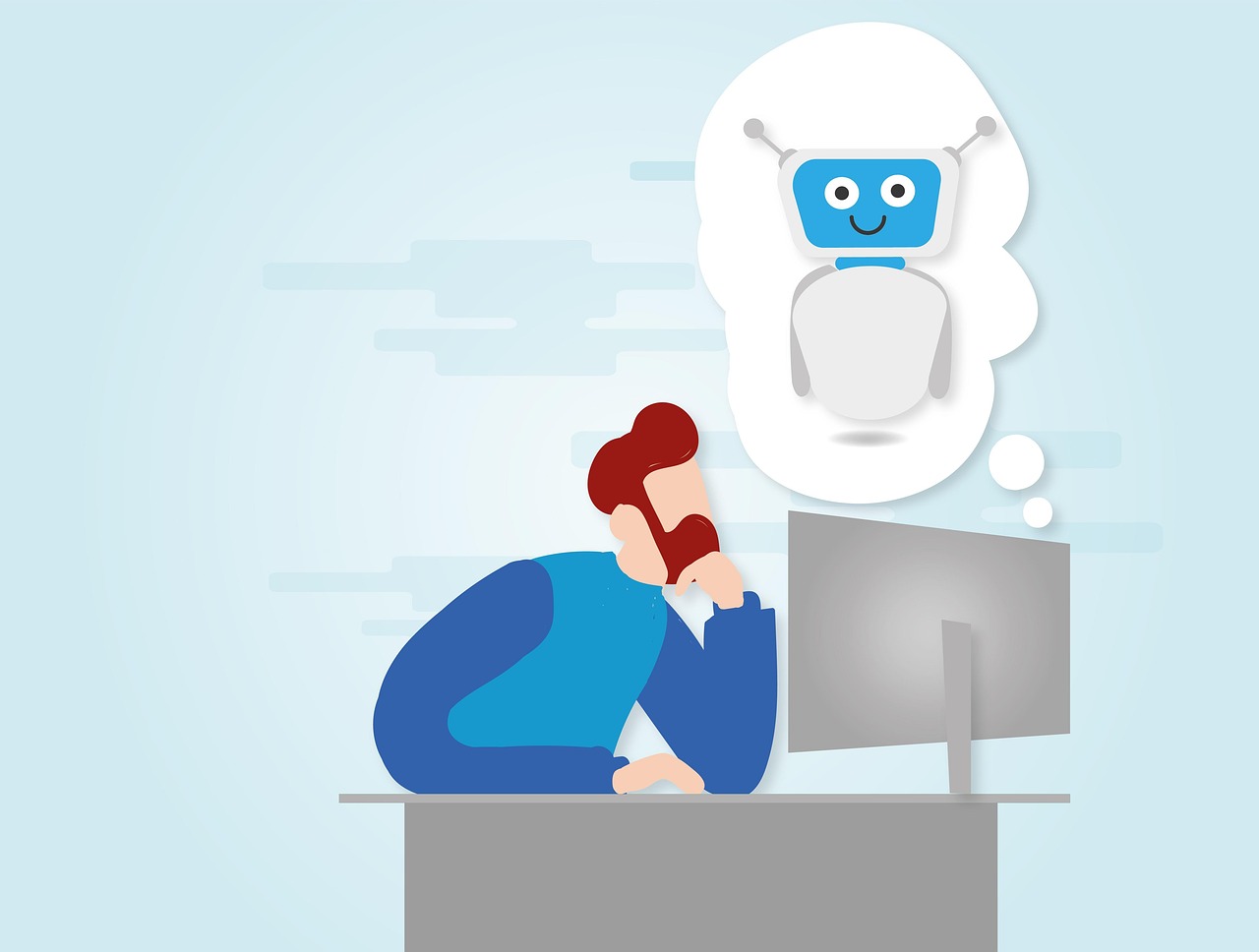
If AI can design a website instantly, what is the future of human web design?
The answer is not that designers disappear.
It’s that design stops being decoration — and becomes intelligence.
The Illusion of “Instant Websites”
Let’s be honest. AI website builders are impressive.
You answer a few prompts. Choose your industry. Add your brand name. Within minutes, you have a working site structure with sections, text, images, even a rough style system.
For small businesses, that feels revolutionary. No developer delays. No long design cycles. No expensive iterations.
But here’s what many people notice after launch.
The site looks fine.
But it doesn’t feel distinctive.
It works.
But it doesn’t convert the way they hoped.
It exists.
But it doesn’t build authority.
AI can generate structure. It cannot deeply understand positioning unless you guide it with clarity. And most businesses are not clear about their positioning.
That’s where the human layer still matters.
Design Is Shifting From Visual to Psychological
In 2026, good website design is less about aesthetics and more about psychology.
How quickly does a visitor understand what you do?
Do they feel confident?
Is there friction in the navigation?
Does the page reduce anxiety before asking for commitment?
AI can replicate patterns that have worked before. It can apply common conversion frameworks. But true psychological design requires empathy. It requires understanding the fears, objections, and motivations of your specific audience.
That depth doesn’t come from a template.
It comes from strategy.
Speed Is No Longer Optional
There is one area where AI-driven tools have forced a major improvement: performance.
Users are impatient. Search engines are stricter. Core Web Vitals continue to evolve. A slow website is no longer an inconvenience — it is a ranking disadvantage and a conversion killer.
The future of website design is heavily performance-driven.
Clean code.
Efficient assets.
Minimal bloat.
Optimized interactions.
Designers and developers are no longer separate roles in many teams. The future favors those who understand both user experience and technical performance.
Because design that looks beautiful but loads slowly is not good design anymore.
Personalization Is Becoming Expected
Static websites are fading.
Users now expect experiences that adapt.
Product recommendations tailored to behavior.
Content suggestions aligned with interest.
Dynamic headlines based on traffic source.
AI makes personalization scalable. It analyzes behavior patterns and adjusts interfaces in real time.
But personalization must feel subtle. When done poorly, it feels invasive or gimmicky.
The future of website design includes invisible intelligence — systems that adapt quietly without making the user feel manipulated.
The Minimalism Comeback
Interestingly, as AI enables more complexity, design trends are moving toward simplicity.
Why?
Because attention is fragmented.
When users land on a website, they are evaluating instantly. Too many elements create cognitive overload. Over-designed pages feel chaotic.
The most effective sites in 2026 often look deceptively simple.
Strong headline.
Clear value proposition.
Focused call to action.
Structured flow.
AI can generate complexity easily. Restraint still requires judgment.
And judgment is human.
The Role of Trust Signals
Trust has become one of the most important elements in website design.
In an era of AI-generated content and automated businesses, users are more skeptical.
They look for:
Clear company information.
Transparent policies.
Real testimonials.
Consistent branding.
Human presence.
Design is no longer just about guiding action. It is about reducing doubt.
The future of web design integrates trust architecture into the structure itself.
AI as a Design Assistant, Not a Replacement
The most powerful use of AI in website design is not full automation. It is augmentation.
AI can:
Suggest layout improvements.
Analyze heatmaps.
Predict drop-off points.
Generate variant headlines for testing.
Identify UX inconsistencies.
But the strategic direction still requires human clarity.
If the business doesn’t know who it serves or how it differentiates itself, no AI tool can fix that confusion.
Technology amplifies clarity.
It does not create it.
The Death of Over-Designed Websites
For years, flashy animations and heavy transitions dominated modern web design.
Parallax scrolling. Complex hover effects. Over-engineered hero sections.
Now, many brands are quietly stripping that back.
Why?
Because users care more about speed and clarity than visual tricks.
A beautifully minimal website that communicates instantly will outperform a technically impressive but confusing design.
The future rewards functional elegance.
Mobile-First Is No Longer a Trend
Mobile traffic has surpassed desktop in most industries.
Yet many websites still feel desktop-designed and mobile-adjusted.
In 2026, the smartest designers start with mobile behavior.
Thumb-friendly navigation.
Shorter content blocks.
Clear spacing.
Fast loading even on unstable connections.
AI tools can simulate responsiveness, but thoughtful mobile experience still requires intentional design decisions.
Websites as Ecosystems, Not Pages
Another major shift is conceptual.
Websites are no longer isolated destinations. They are hubs in a larger digital ecosystem.
Users arrive from:
Search engines.
AI answer interfaces.
Social media.
Email campaigns.
Community platforms.
Each entry point has different intent.
Future-ready website design anticipates these variations. It adapts messaging based on context.
A visitor from a paid ad behaves differently than one from organic search.
Understanding that nuance becomes a design advantage.
The Emotional Layer of Design
One thing that cannot be automated easily is emotional tone.
How does the website make someone feel?
Confident?
Inspired?
Reassured?
Excited?
Emotion influences conversion more than layout tweaks.
AI can approximate emotional tone, but consistent brand emotion comes from human clarity about identity.
Design without identity feels generic.
And generic design fades into the background of the internet.
So What Actually Matters Now?
Not flashy visuals.
Not endless automation.
Not copying trending templates.
What matters in the AI era is:
Clarity of message.
Speed of experience.
Trust architecture.
Psychological understanding.
Strategic personalization.
Brand consistency.
AI accelerates execution.
Humans define direction.
The websites that thrive in 2026 are not the most complex.
They are the most intentional.
Final Reflection
The future of website design is not about machines replacing designers.
It is about raising the standard.
AI has removed excuses. Building a basic website is no longer impressive. Anyone can do that.
What stands out now is clarity.
If your website communicates instantly, loads quickly, adapts intelligently, and builds trust naturally, it will outperform competitors — regardless of whether AI helped build it.
Design is evolving from art into intelligence.
And intelligence still requires intention.
Written by Admin
Senior content writer and technology enthusiast with over 8 years of experience in web development and digital marketing.
You might also like