SEO vs GEO: The Real Difference Nobody Explains Properly
Featured Image - SEO vs GEO: The Real Difference Nobody Explains Properly
If you’ve been anywhere near digital marketing lately, you already know SEO is the king of visibility. But suddenly, a new term has started floating around — GEO. And if you’re wondering whether this is just another marketing buzzword or something you actually need to understand… you’re asking the right question.
Because SEO and GEO are not the same game. They’re playing on the same internet field — but with totally different rules.
Let’s break it down in a way that actually makes sense.
SEO: The Art of Being Found Everywhere
Search Engine Optimization (SEO) is all about making your content visible to people who are actively searching for something online. Someone types a question, a problem, or a need… and your job is to appear right there in front of them.
SEO is global by nature. It doesn’t care where someone is sitting physically — it cares what they are searching. If your website ranks well, someone from Delhi, Dubai, or Dallas can find you.
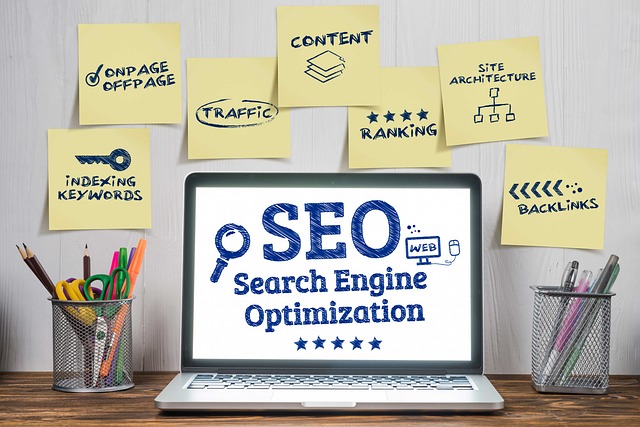
SEO focuses on things like keywords, backlinks, content quality, page speed, user experience, and technical structure. It’s basically the science of convincing search engines that your content is the best answer available.
Think of SEO like running a huge digital billboard on the internet highway. Anyone passing by — from anywhere — can see it if it’s placed correctly.
It’s broad. It’s scalable. And when done right, it brings massive organic traffic.
But here’s where things get interesting.
GEO: The Power of Being Found Nearby
GEO (Generative Engine Optimization or sometimes Geographic Optimization depending on context) is all about location relevance and contextual visibility — especially in AI-driven search environments and local discovery systems.
Instead of asking, “How do I rank globally?” GEO asks, “How do I become the best answer right here, right now, for this specific user?”
GEO is hyper-targeted. It cares about where the user is, what situation they are in, and what intent they have at that exact moment.
For example, SEO helps you rank for “best digital marketing agency.”
GEO helps you appear when someone nearby searches, “best digital marketing agency near me” — or when an AI assistant recommends businesses around their location.
See the shift?
SEO is visibility.
GEO is relevance.
SEO helps people discover you.
GEO helps the right people choose you.
Search Engines vs Smart Context
Traditional SEO was built for search engines that list results. You type something, you get a page full of links, and you pick one.
But modern digital behavior is changing fast.
Now people ask voice assistants, use AI chat systems, rely on map results, and expect personalized recommendations. They don’t just want options — they want the best option for their specific context.
That’s where GEO thrives.
It optimizes your presence across location data, local listings, structured information, reviews, behavioral signals, and AI-interpretable content. It helps intelligent systems understand not just what you offer — but who you are most relevant for.
In simple terms, SEO helps machines index you.
GEO helps machines recommend you.
Big difference.
Traffic vs Conversion: The Hidden Battle
SEO often wins the traffic game. Huge numbers, global reach, endless impressions. It’s amazing for brand awareness and scale.
But GEO quietly dominates the conversion game.
When someone finds you through location-aware, context-aware recommendations, they are usually closer to making a decision. They aren’t browsing — they’re choosing.
That means GEO traffic may be smaller… but far more valuable.
It’s the difference between thousands of random visitors and a handful of people who actually want what you offer right now.
Quality vs quantity.
So Which One Matters More?
Here’s the truth professionals understand — you don’t choose between SEO and GEO. You align them.
SEO builds your digital authority and visibility across the web. It makes sure you exist in the conversation.
GEO makes sure you win the moment that actually matters — when someone nearby, or contextually relevant, needs exactly what you provide.
One builds presence.
The other builds preference.
And in today’s AI-driven, hyper-personalized internet… businesses that ignore GEO while focusing only on traditional SEO are slowly becoming invisible in the moments that drive real action.
The Bottom Line
SEO is about being searchable.
GEO is about being chosen.
SEO speaks to the internet.
GEO speaks to the individual.
If SEO was the strategy that dominated the last decade… GEO is the intelligence shaping the next one.
And the smartest brands aren’t replacing SEO.
They’re evolving beyond it.
Written by Admin
Senior content writer and technology enthusiast with over 8 years of experience in web development and digital marketing.
You might also like