Generative Engine Optimization (GEO): The New Reality of Visibility in 2026

Featured Image - Generative Engine Optimization (GEO): The New Reality of Visibility in 2026
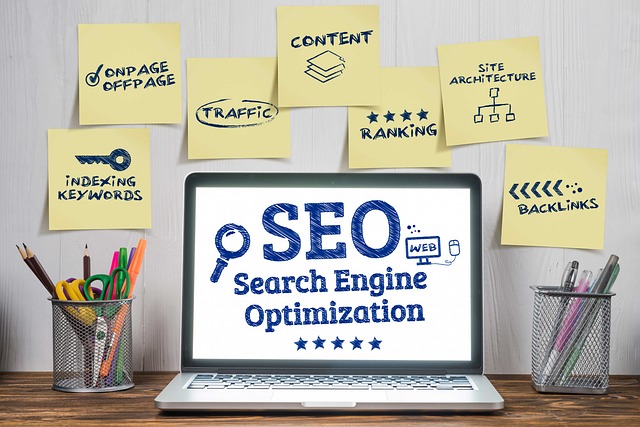
There was a time when the rules of visibility online felt relatively stable. You optimized your website for search engines. You researched keywords. You improved your technical structure. You built backlinks. You waited. Rankings moved slowly, but they moved predictably.
Today, that predictability feels fragile.
Not because search is disappearing — it isn’t. But because the mechanism of discovery is shifting from ranking pages to generating answers.
And that’s where Generative Engine Optimization quietly enters the conversation.
Most people still talk about SEO as if the only goal is to rank on Google’s traditional results page. But if you look closely at how users are behaving, you’ll notice something different. They’re not always browsing results. They’re asking systems for conclusions.
They’re opening AI assistants and saying, “What’s the best project management software for remote teams under 20 people?” They’re asking for summaries, comparisons, recommendations. And instead of getting ten links, they get a synthesized response.
That response is built from somewhere.
The question is — will it be built from you?
The Shift From Ranking to Referencing
Traditional SEO was about ranking positions. First page. Top three. Featured snippet.
Generative engines don’t display ranked lists in the same way. They extract, synthesize, and present information as a unified answer. Sometimes they cite sources. Sometimes they don’t. But they are drawing from structured content across the web.
This creates a different type of competition.
You are no longer only competing to be clicked. You are competing to be referenced.
That changes strategy completely.
Because when a generative engine constructs an answer, it is looking for clarity. It is looking for authority. It is looking for structured explanations that are easy to interpret.
Confusing, vague, repetitive content doesn’t survive that filter.
Why This Feels Disruptive
There’s a subtle emotional tension around this shift.
For years, businesses optimized to attract traffic. Traffic meant opportunity. Opportunity meant revenue.
Now, if users receive answers without clicking, what happens to that traffic?
It feels like control is slipping.
But here’s the nuance: visibility is not disappearing. It’s evolving.
When your brand becomes part of the answer layer — when your ideas are cited, your definitions extracted, your frameworks summarized — you gain authority at a different level.
In many cases, users who discover you through AI-generated summaries are warmer. They already trust the response. They are not casually browsing. They are narrowing decisions.
The funnel becomes shorter.
The stakes become higher.
What Makes Content “GEO-Friendly”
Generative engines thrive on structure.
If your content meanders without clear subtopics, it becomes harder to extract meaning.
If you bury definitions inside fluffy introductions, you reduce your chances of being quoted.
Clarity is no longer just helpful for readers — it’s essential for machines.
This doesn’t mean robotic writing. It means intentional writing.
Clear explanations.
Direct answers.
Logical flow.
Accurate language.
Topical depth.
Generative engines are trained to identify patterns of authority. They recognize consistency across a domain. They detect expertise signals.
If your website covers ten unrelated topics shallowly, it becomes harder for AI systems to categorize your authority.
But if you consistently go deep within a defined subject, you build something recognizable.
Recognition becomes reference.
Reference becomes visibility.
The Role of Entities and Context
One of the less discussed aspects of GEO is the importance of entities.
Search systems no longer just index words. They map relationships between people, brands, concepts, industries, and topics.
If your brand is clearly associated with a topic across multiple sources, it strengthens your inclusion in generative outputs.
This means your presence beyond your website matters more than ever.
Mentions.
Citations.
Interviews.
Collaborations.
Community engagement.
Authority is increasingly distributed.
You are not optimizing only for a page. You are optimizing for perception.
The Depth Advantage
Something interesting is happening in this generative era.
While surface-level content multiplies, deep content becomes more valuable.
AI systems can summarize general knowledge easily because it exists everywhere. But when content contains unique insight, structured frameworks, or thoughtful analysis, it stands out as a primary source.
Generative engines often prioritize original depth over generic repetition.
This means the future may actually reward those willing to think harder.
Ironically, as automation increases, originality becomes rarer — and therefore more powerful.
Why Generic Content Struggles More Than Ever
In traditional SEO, even average content could rank with enough backlinks and technical optimization.
In generative environments, average content blends into the dataset.
If your article says what every other article says, there is no reason for a system to prioritize it.
Generative engines compress information. They reduce redundancy. They look for strong signals.
To compete, you need clarity of thought and consistency of voice.
That requires strategy.
The Psychological Adjustment
The hardest part of this shift isn’t technical. It’s mental.
Marketers are used to measuring success in rankings and traffic numbers. GEO requires comfort with a broader form of visibility.
You may not always see direct clicks from AI interfaces. But your brand may appear within responses. Users may search your name afterward. Authority may grow indirectly.
This is more subtle. Harder to measure. But often more powerful long term.
The digital landscape is becoming more interpretive and less transactional.
Adapting requires patience.
GEO Is Not Replacing SEO
It’s important to say this clearly.
Generative Engine Optimization is not replacing SEO. It is expanding it.
Traditional technical optimization still matters. Site speed still matters. Crawlability still matters. Internal linking still matters.
But on top of that foundation, you now optimize for interpretation.
You optimize to be understood, not just indexed.
That subtle difference is shaping the next phase of digital visibility.
What Forward-Thinking Brands Are Doing
The brands adapting fastest are not panicking.
They are:
Strengthening topical authority.
Investing in thought leadership.
Structuring content clearly.
Improving structured data.
Building brand mentions across platforms.
Creating distinctive viewpoints.
They understand that in a world of generated answers, being a trusted source is more important than being a high-volume publisher.
They are building signal, not noise.
Final Reflection
Generative Engine Optimization may sound technical, but at its core, it reflects something deeply human.
We prefer clarity.
We prefer synthesis.
We prefer guidance over clutter.
Generative engines are simply trying to approximate how humans process information.
If your content mirrors that clarity — if it is structured, authoritative, and genuinely helpful — you will not disappear in this shift.
You will evolve with it.
Visibility in 2026 is not about chasing algorithms.
It is about becoming a source worth interpreting.
And that is a higher standard — but also a more meaningful one.
Written by Admin
Senior content writer and technology enthusiast with over 8 years of experience in web development and digital marketing.
You might also like